
ペプチド開発促進のためのリソースハブ
R&Dからスケールアップ、品質管理へとペプチド開発を進めるための厳選されたリソースを探求します。実用的なガイドやツールを用いて、堅牢でスケーラブル、持続可能かつコンプライアンスのあるプロセスを構築しましょう。

ペプチド治療薬は製薬業界を急速に変革しており、卓越した標的特異性、低毒性プロファイル、複雑な生物学的経路の調節能力を提供しています。代謝疾患から腫瘍学に至るまで、インスリン、GLP-1作動薬、インターフェロン、酵素療法などのペプチドは、幅広い疾患や医療課題に対する精密医療を可能にしています。
ペプチドの治療的可能性は確立されていますが、商業規模での製造には重大なプロセスおよびインフラ上の課題が生じます。化学合成であれバイオテクノロジーで発現されたものであれ、ペプチド製造は低収量・多段階の複雑合成、バッチの不整合、実験室からGMP生産へのスケールアップの困難、厳格な品質管理要件などに直面しますが、同時により厳しい規制や持続可能性基準の遵守を目指しています。これらの制約は製品の供給遅延、サプライチェーンの緊張、そして最終的には患者が重要な治療法にアクセスすることに影響を及ぼす可能性があります。
効率的で拡張可能なペプチド合成の需要増加に対応するため、METTLER TOLEDOは製造プロセスのあらゆる段階で品質と精度を確保するための高度な精密計測機器、機械、ソフトウェアソリューションの包括的なスイートを提供しています。

R&Dからスケールアップ、品質管理へとペプチド開発を進めるための厳選されたリソースを探求します。実用的なガイドやツールを用いて、堅牢でスケーラブル、持続可能かつコンプライアンスのあるプロセスを構築しましょう。
ペプチド生成は固体相ペプチド合成(SPPS)を用いた高度な生化学的合成に依存し、一方で翻訳後修飾を必要とするより大きく複雑な分子では、組換えタンパク質発現系を用いたバイオプロセス、またはバイオプロセスと生化学的合成の組み合わせが純度、効力、一貫性を確保するために選ばれます。

1. ペプチドは、固体樹脂上にアミノ酸を正確な順序で添加することで段階的に構築されます。
2. 添加のたびに余分な化学物質を洗い流し、保護基を除去して次のステップに備えます。
3. 完成したペプチドは樹脂から切断され、通常HPLCを用いて精製されます。
4. 精製されたペプチドは固体または液体の生成物に変換されます。品質管理テストは全期間実施され、純度、安全性、有効性が確保されます。


1. ペプチド産生細菌や酵母は、高収量に最適化された栄養豊富な培地で培養されます。
2. 遠心分離とろ過を用いて培植菌からペプチドを分離します。細胞内であれば、まず細胞が開かれます。
3. ペプチドはクロマトグラフィーや接線流ろ過などの技術で精製され、その後必要な切断や修飾が行われます。
4. 発酵剤を加え、製品を無菌条件下で錠剤またはバイアルに充填します。品質管理テストは純度、安全性、機能性を保証します。


生化学合成はペプチド製造に広く採用されている方法であり、特に短時間ペプチド生成においては、組換え生物学的手法に比べて特定の用途において利点があります。
生化学合成であれ、組換え生物的方法であれ、ペプチド製造は本質的にコストがかかります。それぞれのアプローチにはコスト要因があり、化学合成における試薬や溶媒の使用から、生物学的発現における複雑なインフラや長期生産サイクルまで多岐にわたります。その結果、業界全体でプロセス効率の最大化、変動性の最小化、そしてあらゆるスケールでの一貫した製品品質確保への強い推進力があります。
柔軟性:非コードアミノ酸や多様な骨格修飾を取り入れ、安定性を向上させます。
純度:化学合成により宿主細胞汚染のリスクを回避し、製品の精密な制御が可能になります。しかし、組換え法は適切な下流処理により高い純度も達成します。
組換え生物学的アプローチは、複雑な翻訳後修飾を必要とする大型タンパク質に一般的であり、以下のような状況下でペプチド生成に有利です。
複雑性:生物学的手法は化学的手法と比べて複雑なペプチドの折りたたみや特定の翻訳後修飾を可能にします。
持続可能性:化学的手法は反応完了を保証するために高純度で高価な試薬や溶媒を過剰に使用し、化学廃棄物の増加を招き、必須溶媒のグローバルなサプライチェーンに影響を与える可能性があります。
ペプチド長:生物学的手法はより長いペプチド(>50アミノ酸)を生成するのに適しています。
多くのペプチドAPIは固体相ペプチド合成(SPPS)を通じて開発されており、これはシーケンスと修飾を正確に制御できる段階的なプロセスです。特により複雑または鎖の長いペプチドは、微生物や哺乳類の細胞を用いて生物学的システムで発現します。
これらの方法は規模やプラットフォームが異なりますが、厳密なプロセス制御と正確な材料取り扱いが求められています。
研究開発ラボでのアミノ酸、溶媒、試薬の計量でも、生産でキログラム単位のバッチを扱う場合でも、すべての測定の正確さが重要です。微細な変動は以下に影響を与えることがあります:
メトラー・トレドは、実験 室および 産業 用途の両方 に適した堅牢な計量ソリューションを提供しています。製剤開発を支援するマイクロバランス から 生産室で使用されるフロアスケール まで 、当社の機器は製薬メーカーが求める精度とコンプライアンスを提供します。ソフトウェアシステムとの統合は、完全なトレーサビリティを確保し、手作業による文書ミスを最小限に抑えるのに役立ちます。
固体相ペプチド合成(SPPS)は、GLP-1類似体やカルシトニンのような治療用APIを含む短〜中長ペプチドの製造におけるゴールドスタンダードとして今もなお存在しています。しかし、SPPSのワークフローは複雑で、以下のような要素が含まれることがあります。
ペプチド結合反応の進行状況を理解することは極めて重要です。METTLER TOLEDOによる 現地FTIRおよびラマン分光 ツールは、合成の各段階をリアルタイムで把握し、脱保護反応や結合反応の監視、不完全反応の早期発見、高価な試薬の過剰使用の削減を可能にします。
EasyMax™やOptiMax™などの自動反応器を用いて、異なる合成工程で温度、攪拌、試薬添加を正確に制御することで、反応条件の最適化、ミリグラムからキログラムへの安全なスケールアップの開発、そして技術移転のための高い再現性の達成に寄与します。
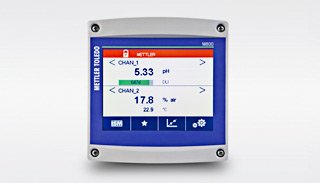
pH制御はペプチドの切断と精製に不可欠です。メトラー・トレドは、酸性の切断や塩基性洗浄工程において堅牢性と規制遵守を保証する、過激な溶媒に特化した InProシリーズセンサー を提供しています。
多くのペプチド、特にインターフェロン、酵素、融合ペプチドは、微生物や哺乳類のシステムで組換え技術を用いて作製されています。これらのプロセスは、細胞の生存能力、タンパク質発現、製品の品質を維持するために厳格な環境管理とリアルタイムのモニタリングを必要とします。
pH、溶存酸素(DO)、CO₂、導電率は発酵中に正確に制御されなければなりません。 メトラー・トレドのISMセンサー は、信頼性の高いリアルタイム測定、予測診断、センサーライフサイクル管理、PAT(プロセス分析技術)戦略との統合を提供します。
合成または発現されたペプチドは、最終的な薬物形態に至るまでにバッファーの調製、精製、製剤の複数の工程を経ます。逆相HPLC、超ろ過、凍結乾燥は治療用に必要な純度と安定性を達成するために一般的に用いられる技術です。
この段階では、バッファー、溶媒、賦形剤の正確な準備が極めて重要です。濃度の不均一やpH偏差は回収率を低下させたり、製品の安定性を損なう可能性があります。超ろ過の準備段階から最終配合ブレンド、凍結乾燥の最適化まで、精度と再現性は譲れません。
通常流ろ過および接線流ろ過は下流のバイオプロセスにおいて重要な役割を果たし、通常流ろ過は主に大量のバッファーの準備に用いられ、接線流ろ過は主に清算工程に用いられます。pH、導電率、温度、UV吸収のインラインモニタリングにより、バイオプロセスのリアルタイム制御が可能となり、製品の品質と一貫性を維持する最適な環境を確保します。この継続的な測定により、逸脱を迅速に特定でき、プロセス効率の向上、収量の増加、製品純度の維持に適時な調整が可能となります。
計量装置、 pHメーター、 UV/Vis分光光度計 を実験室や生産環境に統合することで、ペプチド製造における信頼性の高い下流実行と品質管理を可能にします。重要なのは、生成されたデータが中央集約で収集・管理されると、トレーサビリティを強化し、規制文書化を支えることです。
さらに、高精度な 水分分析 とKF滴定 による 水分含有量測定により、最終製剤および安定性試験が支えられ、これはフリーズドライペプチド製品において重要な要素です。開発中でも商業用QCでも、 実験室向けソフトウェアソリューション は、必要な規制遵守と製品品質のための一貫した分析データを保証します。
アミノ酸の初期計量から最終バイアル検査まで、ペプチド生成の各段階には精密さが求められます。製品が出荷が近づくと、自動製品検査システムは施設から出る前の重要な安全装置として機能します。ペプチド治療薬の場合、これには以下が含まれます:
物理的汚染検出:X線検査、金属検出、またはその両方を用いて、市場投入前に物理的に汚染された製品を特定・除去します。
充填レベル管理:チェックウェイシング、視覚検査、X線検査で充填量を監視・測定・調整し、厳格な用量および規制基準を満たします。
品質および完全性チェック:チェックウェイシング、視覚検査、X線検査は、医薬品パッケージが規制を満たし、安全で完全な製品を消費者に届けるための完全性チェックを行います。
ラベル品質検査:ラベル関連の欠陥を検出し、製品リコールのリスクを軽減するための視覚検査。
METTLER TOLEDOの製品検査 ソリューションは、高効率な製薬環境向けに設計されており、以下の機能を提供します。
既存路線に容易に統合できるGMP準州システム。
監査準備のためのトレーサブルなパフォーマンス検証。
仕様および資格認定プロセスのサポート、適切な用途の評価、適切な製品試験機器の選択、専門的な設置から、効率的な検証プロセスのための専用機器資格パック(EQpack)まで。
これらのシステムは製品の品質を守るだけでなく、ブランドの信頼性を強化し、FDA、EMA、世界の保健当局などの機関との規制遵守を支援します。

メトラー・トレドは、生化学的および生物学的プロセスにおける治療ペプチド生産における主要な課題に取り組むため、多様な機器、ソフトウェア、グローバル サービスネットワーク を提供し、複雑なワークフローを簡素化・効率化し、変動性を低減し、開発および製造のすべての段階におけるデータ駆動型意思決定を支援しています。これにより、より高い収量、廃棄物の削減、迅速なスケールアップ、そしてより信頼性の高いコンプライアンスが実現し、高コストの治療ペプチド製造がより持続可能で患者へのアクセスが容易になります。
| 応用またはパラメータ | 何を測定すべきでしょうか? | なぜ測定されるのでしょうか? | メトラー・トレド解 | 測定モード | |
| 液体取り扱い | 移動液体の体積 | 試薬のディスペンシングおよびサンプル移送における精度と再現性を確保すること | オフライン アトライン | ||
濃度と純度 | 吸収または透過 | 化学的(合成と純度の監視)および生物学的(精製段階)生産におけるペプチドの濃度と純度を決定すること | オフライン | ||
インライン | |||||
細胞数、バイオマス、形態、生存可能性 | 細胞数と生存率 | 生物生産において、微生物培養の健康状態やバイオマスのモニタリングに関連し、発現に最適な条件を確保すること | アトライン | ||
バイオマスと形態 | インライン(SIPまたはCIP) | ||||
細胞および生化学的パラメータの特徴付け | 吸収または透過 | 主に生物学的システムで代謝活性、タンパク質発現、毒性を評価するために使用されます | オフライン | ||
インライン | |||||
pH | pH | 微生物細胞の成長と生物生産中の発酵時の最適な酵素機能に不可欠です。pHも慎重に監視・最適化され、化学合成のための効率的な結合反応を確保する必要があります | pHメーター と | アトライン インライン | |
残留水分含有量 | 水分含有量の決定 | 残留水分は安定性と保存期間を確保するために厳密に管理され、特に冷凍乾燥後の保存期間が重要です | オフライン | ||
溶存酸素 | 溶存酸素レベル | 生物生産における発酵中の微生物呼吸に必要な十分な酸素を確保します。さらに、可燃性ガス相や有機溶媒に接触した有害な酸素のレベルを軽減するのに役立ちます。また、充填と仕上げに窒素ブランキングを施すことで酸素の軽減も確保します | インライン | ||
伝導性 | 伝導性 | 生体培地および化学合成バッファーの両方に関連する、溶離時の培地組成やイオン強度の評価に役立ちます | インライン | ||
CO2 の蓄積 | 溶解CO2 レベル | 生物発酵中のCO2 蓄積を監視し、曝気および給餌戦略を指導します | インライン | ||
濁り | 濁度(NTU)または画像に基づく濁度 | 微生物培養の拡大および生物システムにおける潜在的な汚染に関する情報を提供します | 濁度センサー イージービューアーTM | インライン | |
光学密度 | OD 600 | 微生物の成長段階や発現レベルを追跡するために生物学的生産に用いられます。誘導と収穫の最適なタイミングを決定するために不可欠です | オフライン | ||
グルコース | UV/Visを用いた酵素的決定 | 生物発酵における栄養素レベル(例:グルコース)を監視し、細胞増殖とペプチド収量を最適化します | オフライン | ||
吸収または透過 | インライン | ||||
重量 | 質量 | 正確かつ正確なサンプル準備 | オフライン | ||
重量 | 質量 | 正確な充填、重量、プロセスコンプライアンスを確保するための統計品質管理(SQC) | オフライン | ||
重量または体積 | 質量 | 化学合成(試薬)および生物培地の調製における正確な成分添加を保証します | アトライン インライン | ||
重量または体積 | 質量 | バイオプロセスのpH制御のためにアルカリ溶液の正確な添加を確実にします 給餌バッチおよび連続培養における正確な飼料添加の確保 連続培養における培地除去の正確なモニタリング バイオリアクターの正確な容量監視による溢出防止 正確な充填と仕上げ | インライン | ||
温度 | 温度 | 最適な反応温度や発酵温度を維持し、合成と微生物発現の両方に不可欠です | 使い捨て温度センサー-ペンドテック | ||
圧力 | 圧力 | 合成およびバイオプロセスで使用される反応器の流体流量と反応圧力を制御します | インライン | ||
プロセス最適化とスケールアップ | 生化学 的 | 合成リアクター | すべての重要なプロセスパラメータを制御・最適化し、変動性を低減するために | ||
プロセスモデリング | 反応速度論、生成物分離などをモデル化し、堅牢なスケールアップを可能にすること | スケールアップスイート: ダイノケム® および 反応ラボ™ | |||
降水最適化 | 粒子サイズの評価と温度制御 | ||||
反応サンプリング | 反応の進行状況を評価し、最適化を可能にするために | ||||
システム監視 | システム監視 | システム監視 | |||
プロセス開発 | 設計空間と原子炉パラメータをPAT情報と統合し、スケーラブルなプロセス設計を実現するために | ||||
反応解析 | プロセス最適化のためのリアルタイム反応力学の評価 | ||||
生物学の | 収穫または粒子サイズまたは 降水 | 反応の進捗と完了を評価すること | |||
プロセスモデリング | 反応速度論、生成物分離などをモデル化し、堅牢なスケールアップを可能にすること | ||||
製品品質検査 | 物理的汚染検出、充填量と重量の管理、パッケージの完全性、完全性チェック | エンドカスタマーの安全で完全な製品をサポートし、リコールや訴訟を回避し、製造者にとって重要なパッケージングコンプライアンスを達成するために | |||




.jpg/_jcr_content/renditions/cq5dam.web.1280.1280.jpeg "細胞培養のためのリキッドハンドリング")


