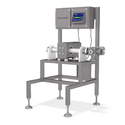
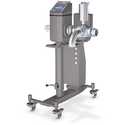
Hur du väljer rätt metallavkänningssystem för pipeline. Tillämpningar i pipeline är många och varierade. Att välja rätt lösning för metalldetektering säkerställer maximalt varumärkesskydd och hjälper till att öka din OEE. Att välja rätt lösning innebär fyra steg. Steg ett: bestäm storleken på metalldetektorn. Rördiametern styrs av produktens genomströmningstakt. Genomströmningsrörets diameter avgör öppningsstorleken. Ett icke-metalliskt genomströmningsrör krävs för att transportera den pumpade produkten genom metalldetektorns öppning. Steg 2. Beakta produktens temperatur, tryck och eventuella särskilda krav på produkthantering. Uppvärmda produkter, såsom varm sylt, kräver ett genomströmningsrör som klarar höga temperaturer. Metal of Toledo tillhandahåller vanligtvis ett icke-metalliskt genomströmningsrör för höga temperaturer och högt tryck. Systemtrycket måste vara känt för att säkerställa att genomströmningsröret klarar det förväntade trycket. Vissa produkter, såsom smält choklad, kräver särskilda vattenmantlar runt genomströmningsröret för att upprätthålla produktens temperatur under inspektionsprocessen. Steg 3. Bekräfta vilka kopplingar som krävs. Därefter ska du fastställa vilken typ av koppling som krävs för att ansluta rören och vilken anslutningstyp som ska användas. Mettler Toledo kan leverera alla kopplingar som behövs. Observera att anslutningstypen kan påverka öppningsstorleken. Steg 4. Välj rätt avvisningsmekanism. Rätt avvisningsmekanism beror på produktens egenskaper. Trevägs omledningsventiler, inklusive alternativ som kan renspolas, finns för de flesta vätskebaserade eller mjuka slurry-tillämpningar. Om det däremot finns fasta partiklar i produktflödet kan en specialiserad avvisningsmekanism krävas. Ytterligare överväganden: integration, åtkomst, förbättrad OEE och ökad känslighet. Enklare integration i produktionslinjer. Anpassade stödramar kan levereras för enkel integrering med annan produktionsutrustning. Vi kan leverera golvmonterade och upphängda alternativ. Enklare åtkomst till metalldetektorns HMI Metalotolitos innovativa emuleringsfunktion finns tillgänglig för att ge fjärråtkomst till och styrning av metalldetektorn från en praktisk plats ökad OEE och förbättrad känslighet Pumpningsprocessen kan skapa bubblor eller hålrum i produktflödet, vilket potentiellt leder till fler falska utlösningar och produktspill, samt till minskad känslighet. Profile Advantage-tekniken bortser från effekten av dessa bubblor eller hålrum, så att den kan upptäcka mindre metallföroreningar för bättre varumärkesskydd och i princip eliminera falska avvisningar för att öka produktiviteten.
Pipeline applications are wide and varied – choosing the right Pipeline metal detection system is critical to achieve maximum performance and brand protection. Pipeline metal detectors can inspect pumped liquids, pastes, slurries, high viscosity and vacuum-filled products for metal contamination. Having the correct throughput pipe, fittings and reject device will help you efficiently remove metal contaminated product from the production flow, and minimize waste of good product.
Our Pipeline metal detection system brochure highlights the different systems available for standard pumped product applications, specialized sausage systems and solutions for challenging applications. It also offers step-by-step guidance to help you determine the best Pipeline metal detection system for your application.
Key Considerations in Choosing the Right Pipeline Metal Detection System
Step 1: Determine the size of the metal detector
- A non-metallic throughput pipe is required to transport the pumped product through the Pipeline metal detection system aperture. The aperture size/diameter of the pipe will be determined by the product throughput rate.
Step 2: Consider the temperature of the product
- The temperature of the product inspected will determine the type of throughput pipe required. For example, heated products such as hot jam requires a throughput pipe that can handle extremely high temperatures. Molten chocolate requires special water jackets around the throughput pipe to maintain the product's temperature during the inspection process.
Step 3: Determine if there is any pressure in the system
- METTLER TOLEDO can supply a high temperature, high-pressure non-metallic throughput pipe for specific applications. The maximum system pressure must be known to ensure the throughput pipe can handle the expected pressure.
Step 4: Confirm what fittings are required
- Having the correct fixtures to connect the throughput pipe to the rest of your production line is essential. METTLER TOLEDO supplies a range of fittings, custom support frames and floor-mounted and suspended options for easy integration with other production equipment.
Step 5: Choose the right reject mechanism
- The right reject mechanism will depend on the product characteristics. Three-way diverter valves are available for most liquid or soft slurry applications, however if there are any solid elements within the product flow, a specialized reject mechanism may be required.
- METTLER TOLEDO offers a range of Pipeline metal detection systems to help ensure maximum performance of your product inspection program.
METTLER TOLEDO offers a range of Pipeline metal detection systems to help ensure maximum performance of your product inspection program.
Pipeline Inspection in Challenging Applications
In pumped product applications that are subject to bubbles or voids in the product flow, there is a risk of false rejects due to variation in the active product signal. However, by using Profile Advantage Pipeline metal detection systems, you can overcome this issue, and virtually eliminate false rejects. Profile Advantage technology uses a unique combination of multi-simultaneous frequency and product signal suppression technology to minimize the active product signal. This not only minimizes your risk of false rejects but also eliminates unnecessary product waste and the associated admin burden. Profile Advantage Pipeline systems can have a positive impact on productivity, product quality and your bottom line.