Ground Meat and Poultry Patty Lines

Detecting metal fragments from grinders and mixers is critical. X-ray systems inspect bulk-packed frozen blocks or final retail packages for metals and other dense contaminants while verifying count and weight, supporting compliance efforts and protecting overall product quality.

Ready-to-Eat (RTE) Meat and Poultry Slicing/Packaging

Preventing cross-contamination from raw areas is paramount. Metal detectors scan final packages for any metal fragments from slicing blades or conveyors before sealed products enter the clean zone.

Poultry Deboning and Further Processing

Identifying missed bone fragments in breast fillets, nuggets, or sausages is a key quality metric. Advanced x-ray systems provide the highest probability of bone detection, protecting brand quality and consumer safety.

Seafood Processing and Portioning

From frozen fish blocks to individually quick-frozen (IQF) shrimp, checkweighers verify weight to avoid giveaways. Metal detection systems inspect products for metal contaminants and x-ray systems inspect for shell fragments, hooks, or other foreign materials.

High-Speed Poultry and Meat Packaging Lines

Maintaining throughput without sacrificing safety requires robust, fast inspection. Integrated metal detector and checkweigher combos perform two critical checks in one system, with high-speed reject systems to isolate non-conforming products and maintain line efficiency.

Bulk Meat and Poultry Shipments (Crate/Case/Box Level)

Bulk metal detectors are commonly used to inspect bulk crates and blocks of meat prior to processing, safeguarding downstream equipment. Protecting customers and preventing large-scale recalls involves inspecting entire cases before shipment. X-ray systems can penetrate large boxes for a final check for contaminants, adding an extra layer of security.

Informatiegids over de kwaliteitscontrole van vlees, gevogelte, vis en schaaldieren | mt.com

Informatiegids over de kwaliteitscontrole van vlees, gevogelte, vis en schaaldieren

Ontdek hoe u met geavanceerde productinspectie-oplossingen een consistente productkwaliteit en de ve...

Kwaliteitscontrole bij de productie van diepgevroren zeevruchten | Infografiek

Voorkom besmetting en verspilling bij de productie van vis en zeevruchten

Deze infographic onderzoekt de kritische controlepunten (CCP's) die worden aanbevolen in elke fase v...

Het producteffect overwinnen met metaaldetectors | Infografiek

Infographic: Het overwinnen van het producteffect met metaaldetectors

Ontdek hoe u het producteffect kunt ondervangen met de geavanceerde metaaldetectietechnologie. Detec...

Combinatie inspectiesystemen | PDF downloaden

Het ideale combinatiesysteem voor productinspectie samenstellen

Deze eBrochure bespreekt de mogelijkheden van combinatiesystemen voor productinspectie. U krijgt een...

Deskundige services voor productinspectie | eBrochure

Verhoog de productiviteit met deskundige services

Deze brochure geeft een gedetailleerd overzicht van onze services voor productinspectie, zoals servi...

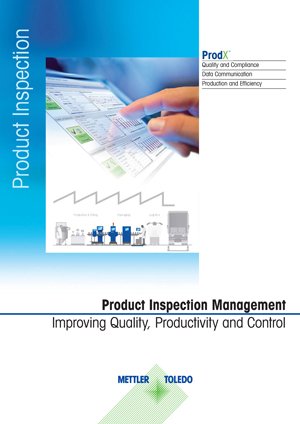
Brochure ProdX™ Software

Brochure | ProdX™ Datamanagementsoftware

Met ProdX™ stuurt u uw hele managementproces van uw productinspectie via één of meerdere externe loc...

Voorkomen van metaalverontreinigingen in zeevruchten | Casestudy

Casestudy: Boston Sword & Tuna beschermt de veiligheid van zeevruchten met metaaldetectie

Ontdek hoe Boston Sword & Tuna hun voedselveiligheidsprogramma heeft verbeterd met behulp van het Pr...

Inspectie van ingeblikt vlees met X-ray inspectie | Casestudy

Casestudy: Keystone Meats verbetert de productkwaliteit met X-ray inspectie

Ontdek hoe Keystone Meats geavanceerde detectie van verontreinigingen in hun productieproces heeft g...

Bell Food Group

X-ray inspectie van hamburgers

Een X-ray casestudy over de manier waarop vleesverwerker Bell Food Group garandeert dat alle hamburg...

Casestudy | Longhini Sausage Company

Longhini doet veel meer dan een gewone productinspectie

Gratis casestudy over de manier waarop Longhini de kwaliteit van het eindproduct garandeert door de...

Giersch levert smaak en kwaliteit

Giersch levert smaak en kwaliteit

Giersch GmbH & Co. KG in Westerkappeln produceert vlees en worstjes van uitstekende kwaliteit. De aa...

De Black Pudding Company

Succes voor Bury Black Pudding Company

De Bury Black Pudding Company produceert en verkoopt bloedworst van de hoogste kwaliteit aan Britse...

Is inspecting meat mandatory?

Yes, meat inspection is mandatory in most countries. For example, in the United States, the U.S. Department of Agriculture (USDA) requires inspection of all meat products intended for commercial sale. This is for assurance that meat products meet safety and quality standards before reaching consumers.

Food manufacturers are heavily influenced by global food safety standards such as the Global Food Safety Initiative (GFSI) and associated initiatives including BRCGS, International Featured Standard (IFS), Food Safety System Certification (FSSC 22000) and Safe Quality Food (SQF).

Local regulations such as the Food Safety Modernization Act (FSMA) in the USA, ANVISA in Brazil, and the Food Standards Act in Europe also play key roles in ensuring that the food produced is safe for consumption.

Does the FDA inspect meat?

While the FDA oversees the safety of most food and drug products in the United States, they are not in charge of inspecting meat, poultry, or processed egg products - that is the responsibility of the USDA's Food Safety and Inspection Service (FSIS).

The FDA does, however, regulate some aspects of meat production such as animal feed and the use of drugs in livestock production.

Which meat items must be inspected by the USDA?

The Food Safety and Inspection Service (FSIS) is an agency of the U.S. Department of Agriculture (USDA), and is responsible for inspecting all meat, poultry, and egg products sold within the United States in interstate commerce. This includes beef, pork, lamb, chicken, turkey, and other processed meat products. The USDA also inspects game meats that are sold commercially.

Why does meat need to be inspected?

Meat inspection is crucial for protecting the safety of food meant for consumption, preventing the spread of foodborne illnesses, and maintaining high quality standards. Proper meat inspection can detect diseases, biological and physical contamination, and other quality issues that can pose risks to consumer health or affect product integrity.

METTLER TOLEDO is a global company that manufactures product inspection systems for the meat and poultry industry. Our systems offer foreign material contamination detection, fill level inspection and weight and mass control, package integrity inspection, and label quality inspection and verification.

How should meat products be checked?

Meat products should be checked using a multi-faceted approach. This includes visual inspection, food moisture analysis and ph monitoring for cooked or raw meat, mass or weight verification, and the use of metal detectors and x-ray systems to detect physical contaminants and enhance overall safety and quality.

How is meat inspection for foreign body contamination performed?

Meat inspection involves several steps. Regulatory organizations, such as the USDA in the United States, conduct periodic inspections to check for signs of disease, contamination by foreign bodies, and overall quality.

Foreign body or foreign material contamination often occurs in continuous production lines where metal equipment and packaging processes can unintentionally introduce metal, glass, or plastic parts into the meat. Advanced technologies such as x-ray inspection and metal detection are used to help improve the inspection of meat products by removing or rejecting products containing  foreign material contaminants from the production line.

How do I choose between a metal detector and an x-ray system for my meat processing production line?

The choice depends on the primary hazard. Metal detectors are optimal for detecting metallic contaminants with high sensitivity at a lower cost. X-ray systems are essential for detecting non-metallic hazards like bone, glass, or plastic, and they provide additional benefits like mass measurement and package integrity checks. METTLER TOLEDO offers risk assessments from application experts who will recommend the most effective and cost-efficient solution for your specific products and processes.

What makes an inspection system suitable for harsh washdown environments?

Washdown-ready systems feature IP69K-rated housings, sealed electrical connections, and easy-clean designs with minimal crevices. METTLER TOLEDO offers inspection equipment that can withstand high-pressure, high-temperature cleaning with caustic chemicals, preventing them from becoming harborage points for pathogens like Listeria.

Why is data management software important for food safety inspection?

Modern regulations require not just inspection but also documentation. Software like ProdX™ centralizes data from all inspection devices, automates report generation, maintains secure electronic records, and provides real-time alerts for process deviations. This transforms inspection from a manual checkpoint into a connected, intelligent system for proactive quality management and simplified regulatory audits.

How do integrated systems save space and cost on crowded meat processing lines?

Combination systems, such as a METTLER TOLEDO metal detector combined with a checkweigher, perform two critical inspections in the footprint of one machine. This saves valuable floor space, reduces conveyor length, simplifies installation, and lowers total cost of ownership while maintaining full functionality and data integration from both technologies.

What support is available for validating and maintaining inspection equipment?

METTLER TOLEDO offers comprehensive validation services using certified test samples to verify your system meets detection standards. We also provide ongoing technical support, preventative maintenance programs, and regulatory update consultations. This end-to-end partnership helps keep your inspection investment effective, compliant, and operational over its entire lifecycle.

Ik wil...
Hulp nodig?
Wij willen u helpen bij het bereiken van uw doelen. Praat met onze experts.