Metal Detection in Food Processing
Understanding the different types of industrial metal detectors and choosing the right solution
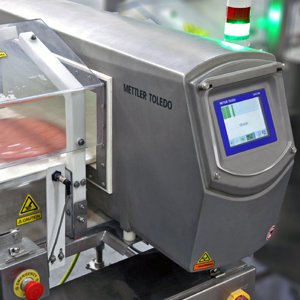
There are many different types of metal detection in food processing. Industrial metal detectors are selected to suit the application they are needed for - to inspect moving items on conveyors, free-falling items, liquids / slurries in pipes, challenging items with high salt or moisture content, etc. These industrial metal detectors for food processing are essential for supporting the safety and quality of food products.
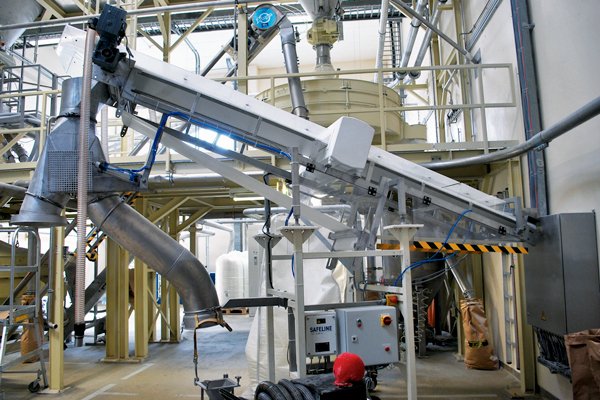
Types of Metal Detectors for Food Processing
Conveyor / Tunnel Metal Detectors | Gravity Fall Metal Detectors | Throat / Vertical Metal Detectors | Pipeline Metal Detectors |
These fully automatic metal detectors are designed to be integrated seamlessly with your conveyor system at the beginning, middle, or end of the line, and can detect metal contaminants in a wide range of products, including packaged and unpackaged food products. | Gravity fall metal detection systems have been designed specifically for the inline inspection of free-falling powders and granular products in non-pressurized applications. The integrated rejection device seamlessly rejects any product found to contain metal contamination by diverting the stream of product for a specified amount of time into a separate container for rework or disposal. | Throat or vertical metal detectors can be combined with Vertical Form, Fill & Seal (VFFS) equipment to inspect free-falling food products during processing and packaging. They are ideal for snacks and confectionery applications that use metallized packaging. They can detect unwanted metal pieces in the product flow prior to it entering the package, while also overcoming interference from the metallic material of the packaging. | Pipeline metal detection systems inspect pumped liquids, pastes, slurries, and vacuum-filled products for metal contamination. Pipeline applications are wide and varied - choosing the right metal detection solution will offer maximum performance and brand protection. Specific pipeline metal detection systems will be better at inspecting products more likely to contain bubbles or voids, while others are made for ease of integration with processing equipment such as vacuum fillers, linking machines or clipper systems. |
Choosing the right metal detector depends on various factors, with key considerations to keep in mind:
| Product Type | Different metal detectors are better suited for different types of food products. Consider the product's density, moisture content, and conductivity when choosing a metal detector. |
| Product Size and Shape | Metal detectors can be customized to accommodate various product sizes and shapes (i.e. packaged or unpackaged, liquid, paste, or slurry, powders or granules), as well as quantities and weights. |
| Sensitivity and Environmental Factors | Some applications require higher levels of acuity and precision, especially when combatting a phenomenon known as "product effect". Product effect is a disturbance in the electromagnetic field produced by the product's inherent qualities such as high salt or high moisture, which can "mimic" metal and alter readings conducted by a metal detector. To mitigate this interference, our Profile Advantage metal detectors contain advanced technology to help block out the noise from product effect and minimizing false rejections. |
By determining the most likely kind of metal contamination, whether it be ferrous or non-ferrous, and understanding the different types of metal detectors available, you can more easily choose the right solution for your application. In addition, you can customize your metal detector to accommodate specific product dimensions and flow-type, so you know you can find a solution that meets your needs.
Related Content
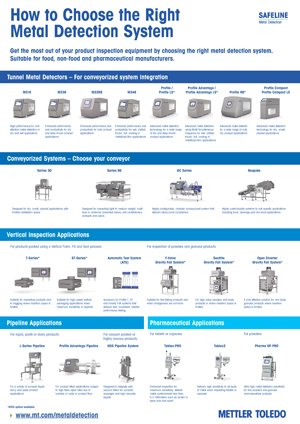
Choosing the Best Metal Detection Solution
This illustrative metal detection portfolio infographic helps with choosing the metal detection solution best suited to your application and product inspection requirements. Read more
Practical Tips for Metal Detection Selection
This guide - Practical Tips For Metal Detection Selection - covers key considerations to choose the right metal detection system for your application. Read more
Understanding Sensitivity Principles for Industrial Metal Detectors
A Guide explaining the concept of sensitivity for industrial metal detectors – how it is measured, factors that impact it, and why it is essential to maximize the sensitivity of your metal detection system. Read more

Find Your Perfect Metal Detector for Food Manufacturing
Find the metal detection solution that perfectly matches your budget and application inspection needs in the food industry Read more
Maximize Productivity and Brand Protection in the Food Industry
This educational guide explores how to detect smaller metal contaminants and reduce false rejects in food in order to maximize productivity and brand protection. Read more
FAQs
Are there different types of industrial metal detection systems used in food processing industry?
The type of metal detector used in food processing lines depends a great deal on the format and type of product being inspected, as well as the environmental factors within the manufacturing facility.
A few different examples of types of metal detection systems used in various food processing industries are:
- Metal detectors for the dairy industry
- Metal detectors for the seafood industry
- Metal detectors for the meat and poultry industry
- Metal detectors for the sugar industry
- Metal detectors for the flour industry
- Metal detectors for the agricultural industry