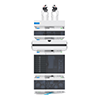
Kromatografisk analyse med teknikker som HPLC, UHPLC eller GC anvendes ofte i analytiske R&D- og QC-laboratorier til at identificere, kvantificere og oprense individuelle komponenter i en blanding. Komponenternes renhed, koncentration og sammensætning har stor indflydelse på det endelige produkts kvalitet, hvilket kan påvirke produktets effektivitet, sikkerhed, holdbarhed og mange andre vigtige egenskaber. For at opnå kvantitative resultater er der behov for kalibreringsstandarder eller referencesubstanser i kendte koncentrationer.
Hvorfor er vejning vigtig?
I analytisk kromatografi har nøjagtig vejning, korrekt beregning af koncentrationer og fejlfri overførsel af data en væsentlig indvirkning på kvaliteten af de kromatografiske resultater. Prøveforberedelse kan udgøre op til 60 % af den analytiske laboratorietid og -indsats. Desuden kan datastyring såsom resultatoverførsel og arkivering udgøre op til 25 % af arbejdstiden. Dette understreger vigtigheden af avanceret procesautomatisering og datastyring: jo flere opgaver der kan automatiseres og forenkles uden at gå på kompromis med nøjagtigheden, desto bedre er det for at spare ressourcer og øge gennemstrømningen og nøjagtigheden.
Beskriv dit projekt. /content/dk/da/home/applications/Laboratory_weighing/chromatography-sample-and-standard-prep.fb.1.c.11.html
Se videoen: Nøjagtig og hurtig forberedelse af standarder med XPR-automatikvægten
Kromatografi er en teknik, der ofte anvendes i analytiske R&D- og QC-laboratorier. Gravimetrisk tilberedning af standardopløsninger er ikke blot mere præcis og pålidelig end tilberedning ved volumetriske metoder, men gør det også muligt at reducere de nødvendige mængder. Med automatisk dosering af pulvere og væsker kan standardforberedelser til HPLC-analyse yderligere fremskyndes. XPR-automatikvægten gør standardforberedelse mere effektiv og præcis med mindre prøvevolumen. Se videoen for at finde ud af hvordan.
Typiske arbejdsgange til at forberede prøver og standarder til kromatografisk analyse
Typisk arbejdsgang til at udføre en optimering af en organisk reaktion
Forberedelsen af prøver eller referencestandarder omfatter lignende arbejdstrin, hvor proceduren afhænger af den pågældende prøve. Kvantitative udsagn om kromatografiske analyser af prøver kan kun foretages med hjælp af referencestoffer, såkaldte kalibreringsstandarder, eller blot standarder.
Prøveforberedelse
Prøver skal forberedes individuelt og om nødvendigt opløses, filtreres eller kemisk ekstraheres. Målene med prøveforberedelse omfatter:
At bringe analyter i opløsning
At adskille faste eller opløste interfererende stoffer
At rense og forkoncentrere analyter
At justere en koncentration til måling i et egnet opløsningsmiddel
Fremstilling af standardopløsninger
Fremstillingen af kalibreringsstandarder til kvantitativ analyse er som regel lettere end prøveforberedelse, fordi kemikalierne er tilgængelige i deres reneste form, ofte som pulver og opløselige. De skal fremstilles meget præcist, fordi de bruges til at skabe en kalibreringskurve til beregning af prøvekoncentrationer. I de fleste tilfælde kræves der flere koncentrationer, som ofte fremstilles umiddelbart før hver analyse.
Typiske procestrin
Identificer referencestandard
Vej referencestandard
Tilsæt opløsningsmiddel, ryst og bland
Fortynd for at forberede egnede koncentrationer
Beregn/registrér resultater
Mærk kolber
Filtrér og overfør til analyseglas
Analyse ved hjælp af en række analyseteknikker:
HPLC, GC, NMR
ICP-MS, ICP-OES
AA, Organisk elementaranalyse
Titrering, Karl Fisher
Dataevaluering
Resultatberegning
Rapportering
Sikker datalagring
Dataudtræk (til revision)
At skifte til gravimetrisk fremstilling af opløsninger
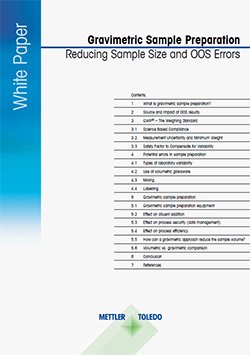
Gravimetrisk prøveforberedelse – vejning af både det faste stof og opløsningsmidlet – er en state-of-the-art-tilgang til forberedelse af prøver og opløsninger, som specifikt beskrives i USP kapitel 1251 "Weighing on an analytical balance" i afsnittet "Types of dosing" USP36-NF31 (2013). For mere information, se vores white paper:
Sikre overholdelse af den seneste revision 2025 / 2026
Lær mere
Har du brug for support?
Er kromatografisk analyse en af de "tidsrøvere", der optager meget tid i laboratoriet? Læg grundstenen til dit fremtidige laboratorium, og invester i automatiseret og digitaliseret prøve- og standardforberedelse til dine kromatografiske analyser. Lad os vise dig, hvordan de modulære elementer i vores automatiserede løsninger – skræddersyet til dine specifikke behov – kan gøre dine kromatografiprocesser mere effektive og sikre.
Udfordringer i workflowet ved prøve- og standardforberedelse til kromatografiske analyser
Manuel volumetrisk vs. automatisk gravimetrisk dosering af væsker og pulver
At veje pulverformige stoffer manuelt op med en spatel kan være en tidskrævende og udfordrende opgave. Især når mængderne ligger i det lave milligramområde, kræver det både færdighed og erfaring at veje præcist.
Selv under de bedste hænder er traditionel opløsningsforberedelse med volumetrisk glasudstyr tidskrævende og fejlbehæftet. En operatør vejer typisk et stof op på vejePapir og overfører det derefter til en Erlenmeyer-kolbe. Vejere operatøren papiret efter for at sikre, at der ikke er noget stof tilbage? Hvis ikke, opstår der tvivl om processens nøjagtighed. Hvis ja, tilføjes ekstra tid til workflowet. Ingen af delene er ideelle.
Da den tid, der bruges i laboratoriet på at behandle standardopløsninger, anslås til at være mere end 60 %, kan tiltag, der reducerer sådanne tilfælde, markant forbedre den samlede nøjagtighed og laboratoriets produktivitet.
Datahåndtering, overførsel og sporbarhed
Datahåndtering og sporbarhed af kromatografiske data er arbejdskrævende og fejlbehæftet. For eksempel skal en laboratorietekniker være omhyggelig med at registrere hvert trin i et datasæts rejse ved skift mellem instrumenter og systemer. Især når der er behov for høj gennemstrømning, og data skal være sporbare, fører softwarestyrede workflow og netværksforbundne systemer til et moderne og meget effektivt laboratorium.
Løsninger til at gøre prøve- og standardforberedelse hurtigere til dine kromatografiske analyser
Accelerér dine processer — anvend automation og digitalisering strategisk
Automatisering anvendes i stigende grad i laboratorier for at opretholde høj produktivitet, reducere resultaters subjektivitet og frigøre forskere til værdifulde eksperimenter. Den taktiske indførelse af instrumenter og software, der er tilpasset de daglige procedurer, kan i væsentlig grad gavne driften.
Når der er behov for højere gennemløb, kan laboratorier udnytte softwaredrevne arbejdsgange, der integrerer instrumenter i et netværk og sikrer, at komplette data indsamles og registreres sikkert for hver prøve.
Her giver vi et overblik over vores løsninger, der kan hjælpe dig med at automatisere og digitalisere din prøve- og standardforberedelse til kromatografiske analyser. Hvilken løsning er den rigtige for dig baseret på dine nuværende kromatografiske analyser og krav til gennemløb?
XPR Analytical Balance — Invester i din automatiserede fremtid
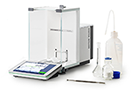
Pålidelige analytiske resultater begynder med nøjagtig vejning. METTLER TOLEDO's XPR Analytical Balances tilbyder aflæsninger fra 0.002 mg til 0.1 mg og en kapacitet på op til 320 g. Med et stort udvalg af gennemprøvede innovative teknologier og avancerede kvalitetssikringsfunktioner kan du være sikker på hurtige, pålidelige og valide resultater, hver gang du vejer.
XPR Analytical Balances muliggør manuelle og volumetriske arbejdsgange ved hjælp af manuel dispensering af pulver og opløsningsmiddel i en målekolbe. Investering i en XPR Analytical Balance er en fremragende start på fremtidig automatisering og digitalisering af din prøve- og standardforberedelse til kromatografiske analyser. Mange laboratorier anser automatisering og digitalisering for at være uoverkommeligt dyre. Med vores modulære tilgang er de nyeste løsninger overkommelige.
Vælg dit automationsniveau, og sammensæt din egen digitaliserede løsning. Du kan enten opgradere din analytiske vægt for større nøjagtighed eller vælge mere automatisering og tidsbesparelse med XPR Automatic Balance eller en robotløsning.
Den relevante software kan bruges på alle vejningsniveauer med en XPR-vægt. Opgrader din proces til prøve- og standardforberedelse, og få fordel af:
Problemfri datahåndtering
Færre trin for større effektivitet
Mindre volumener/prøvestørrelser, mindre materiale nødvendigt
Højere nøjagtighed og reproducerbarhed
Automatisering af enkelte eller flere procestrin
Automatisér datahåndtering og dokumentation
Forbind din XPR Balance til LabX™ Balance Software. LabX muliggør fremstilling af opløsninger med automatisk dokumentation og databehandling. Metadata registreres og gemmes automatisk i en centraliseret database. LabX guider dig trin for trin gennem din SOP med klare instruktioner på skærmen. Alle beregninger udføres automatisk, og transskriptionsfejl elimineres.
Skab en digital databridge fra din vægt til dit kromatografisystem
Tilføj LabX - OpenLab Plugin for at overføre vejningsdata og metadata fra LabX Balance software til Agilent OpenLab Chromatography Data System (CDS). Denne bridge mellem Balance og LC/GC gør det muligt at reducere risikoen for fejl betydeligt, da den eliminerer manuelle beregninger og dataoverførsel i HPLC-analyseprocessen.
Sådan opgraderer du dine arbejdsgange i 4 trin
Trin 1: Skift til nøjagtig gravimetrisk præparation
Ved at skifte til gravimetrisk standardpræparation måles både faste stoffer og opløsningsmidler efter vægt, ikke volumen. Brugeren angiver den krævede koncentration og den ønskede mængde opløsning. Derefter beregner systemsoftwaren den ønskede mængde fast stof, der skal doseres, og leverer den passende mængde fortyndingsmiddel i forhold til den faktiske mængde doseret fast stof. Dette sikrer en yderst nøjagtig og præcis koncentration.
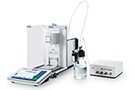
Tilføj et QLX3 væskedoseringmodul til din XPR Analytical Balance, automatisér væskedoseringstrinnet og skift til den mere præcise gravimetriske opløsningspræparation med mindre materiale behov. Dette er en enkel og billig løsning til automatisk beregning og automatiseret gravimetrisk dosering af opløsningsmidler baseret på manuelt vejede faste stoffer (selv ikke-pulver).
Gravimetrisk standard- og prøvepræparation giver følgende fordele:
Lavere minimumsvægt
Forbedret nøjagtighed af fremstillede opløsninger og resultaternes kvalitet
Færre arbejdsgangstrin, bedre effektivitet og produktivitet
Prøven vejes direkte i et hætteglas
Opløsningsmiddel tilsættes nøjagtigt baseret på vægt
Mindre prøve, standard og opløsningsmiddel er nødvendig, og der skabes mindre affald
Reduceret risiko for overfyldning
Ingen subjektiv eller temperaturafhængig aflæsning af menisken
Ingen rengøring af målekolber eller pipetter
Trin 2: Forenkl manuelle processer — automatisér dosering af pulver og væske
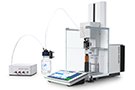
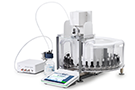
Opgrader din vægt til en XPR Automatic Balance med moduler til dosering af pulver og væske, og få fordelene ved en automatiseret løsning til gravimetrisk dosering af pulvere og opløsningsmidler. Automatisk vejning reducerer minimumsvægten med op til 30 % og muliggør materialebesparelser på op til 70 %, hvilket giver et usædvanligt hurtigt afkast af din investering.
Trin 3: Tilføj en prøveskifter for at automatisere dosisfordeling fra én til mange for pulver
Tilføj tilbehøret QS3 prøveskifter til din XPR Automatic Balance, og opgrader den med semi-automatiseret håndtering af hætteglas for at skabe en løsning med højere gennemløb for op til 30 mål-hætteglas.
Trin 4: Lad være med at få snavs på hænderne — lad robotten gøre arbejdet
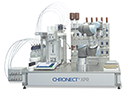
Automatisér fuldt ud dine processer til præparation af prøver og standarder med CHRONECT XPR robotdoseringssystem og forbered op til 288 opløsninger i én kørsel, bestående af op til 32 pulvere og 6 væsker, hvilket muliggør metoder fra mange til mange. Det unikke system kombinerer XPR Automatic Balances avancerede vejning- og doseringsteknologi med en topmoderne 6-akset robotarm og den brugervenlige CHRONOS-software. Reducér den tid, der bruges ved bordet, og brug den på mere værdifulde opgaver.
CHRONECT XPR omfatter fuldautomatisk dosering af pulvere og væsker, inklusive robotbaseret håndtering af hætteglas. Det tilbyder hidtil uset nøjagtighed, reproducerbarhed, effektivitet og fleksibilitet. Prøver og referencestandarder til kromatografiske analyser kan nemt fremstilles natten over, så de er klar til de næste trin om morgenen.
Webinar: Forbedr effektiviteten i dit laboratorium med automatiseret vejning
Manuelle vejeprocesser er tidskrævende og arbejdskrævende, og enhver fejl kan føre til store afvigelser i den efterfølgende proces. Automatiseret vejning løser disse udfordringer. Vores innovative tilgang til automatisering sparer tid og leverer yderst reproducerbare resultater, så du kan fokusere på andre kritiske dele af din analyse.
Kromatografiske teknikker bruges til at adskille blandinger i deres bestanddele, så hver del kan analyseres separat.
Højtydende væskekromatografi (HPLC) kan bruges til at udtrække enkelte komponenter fra en opløsning. Komponenter i en blanding adskilles eller eluerer med HPLC på forskellige tidspunkter. Eluaterne fra HPLC-kolonnen føres derefter ind i forskellige detektorer, som danner en top på en graf i forhold til deres koncentration, efterhånden som de eluerer fra kolonnen. Den mest almindelige type detektor er et ultraviolet-synligt spektrometer, da de fleste af de stoffer, der almindeligvis undersøges med HPLC, især lægemidler, udviser UV-absorption.
Gaskromatografi (GC) udfører samme funktion som væskekromatografi, men bruges til flygtige blandinger. Den mest alsidige detektor til gaskromatografi, med egenskaber til både spor-quantitativ og entydig kvalitativ information, er massespektrometeret. Flammeionisationsdetektoren (FID) er den mest populære detektor til organiske dampe.
Hvad er almindelige termer, der bruges i kromatografi, og hvad betyder de?
Ordliste over almindelige termer inden for kromatografi:
Kromatografi ꟷ Analytisk laboratorieteknik til at adskille en blanding i dens komponenter. Blandingen opløses i gas eller væske, kaldet den mobile fase, som fører den gennem et system (en kolonne, et kapillarrør, en plade eller en film), hvorpå et materiale, kaldet den stationære fase, er fastgjort.
Chromatography Detector ꟷ Mass Spectrometry (detektor, et massespektrometer adskiller ioner eller molekyler i henhold til deres masse-til-ladnings-forhold)
MS ꟷ Mass Spectrometry (detektor, et massespektrometer adskiller ioner eller molekyler i henhold til deres masse-til-ladnings-forhold)
FID ꟷ Flame Ionization Detector, ofte brugt i GC (detektion af ioner dannet under forbrænding af organiske forbindelser i en hydrogenflamme)
CDS ꟷ Chromatography Data System
Sample Preparation ꟷ Forberedelse af prøver til enhver analyse (bruges ofte som en generel betegnelse for alle prøver, der skal analyseres, inkl. standarder, blanke osv.)
Standard Preparation ꟷ Forberedelse af kalibreringsstandarder til analyse
Hvad er tendenserne for at forbedre kromatografi?
I de senere år er der blevet brugt meget tid på at forbedre analytisk hastighed, opløsning og automation samt på at udvikle og forbedre analyseinstrumenter. En af de største flaskehalse i processen er dog fortsat prøve- og standardforberedelse. Det er ikke usædvanligt, at to tredjedele af analysetiden bruges på dette procestrin. Kromatografer søger derfor bedre teknikker til prøveforberedelse for at forbedre analysehastighed og nøjagtighed. De søger hurtigere, mere omkostningseffektive procedurer samt let anvendelige, bekvemme og sikrere metoder. En anden tendens er den øgede brug af mindre prøvemængder. Hurtigere eller automatiseret prøveforberedelse kan reducere analysetiden og øge gennemløbet, samtidig med at prøvestørrelserne reduceres. Intelligente grænseflader og smarte softwareløsninger fremskynder processen yderligere og muliggør fejlfri databehandling og omfattende rapportgenerering.
Hvad er den mest anvendte teknik til prøveforberedelse?
Vejning er naturligvis den mest anvendte teknik til enhver prøveforberedelse, da næsten alle kvantitative analysemetoder kræver måling af prøvens vægt. Men mange andre forberedelsesteknikker anvendes i analytiske laboratorier, såsom fortynding, filtrering, pipettering, inddampning, koncentrering, ekstraktion, centrifugering, tørring, pH-justering, formaling, fordøjelse og mere.
Hvad er en referencestandard?
Referencestandarder bruges til at identificere eller bestemme koncentrationen af et analytt i en prøve med ukendt koncentration. Referencestandarden fremstilles med en kendt koncentration, så den ukendte prøve kan sammenlignes med den for at bestemme den faktiske prøvekonsentration.
Hvordan kan jeg gøre mit arbejdsflow til prøve- og standardforberedelse til kromatografiske analyser hurtigere og mere effektivt?
Brugen af automatiseringssystemer, som automatiske pulver- og væskedoseringssystemer eller systemer til væskehåndtering, kan i høj grad forbedre gennemløbet i processerne til prøve- og standardforberedelse.
Anmod om tilbud eller informationFå et tilbudØjeblikkeligt tilbudLøsningsoplysningerRequest Online Demo
Jeg vil gerne...
Har du brug for hjælp? Vi er her for at besvare dine spørgsmål.