
Analytical Balance 0.0001 g
Ultra-Precise Analytical Balances for Lab-Grade Weighing
An analytical balance with a precision of 0.0001 g readability is an instrument essential in many laboratory applications, such as density determination and differential weighing, where accurate measuring of small quantities or substances is paramount. Furthermore, all METTLER TOLEDO 0.0001 g analytical balances are encased in a windshield to ensure air currents and external influences are prevented from altering precious samples and results.

Advantages of METTLER TOLEDO's Analytical Balances

Automatic Weighing
With the optional powder and liquid dispensing modules, XPR analytical balances are easily upgraded to prepare samples and solutions in a fully automatic process.

Easy Cleaning
Cleaning your analytical balance is quick and easy thanks to clever design features such as fast-release draft shields and the hanging weighing pan. Read more

Easy Documentation
Simplify results handling and documentation with our EasyDirect™ balance data management software for Advanced and Standard level analytical balances. Read more

Comprehensive Data Management
For our Excellence level analytical balances, LabX™ laboratory software takes care of all data automatically, provides centralized control, and assists with compliance with 21 CFR part 11. Read more

High-Performance Weighing Cells
METTLER TOLEDO weighing cells are expertly designed and precisely engineered to deliver accurate and reliable results.
Robustly Built for Longevity
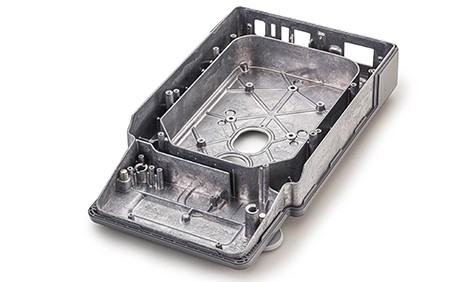
Metal casings, overload protection, and high quality materials ensure your analytical balance will perform reliably for many years to come.

Avoid the Hidden Errors Caused by Static
Our antistatic solutions help to eliminate electrostatic charges and hence prevent one of the major hidden sources of weighing errors. XPR analytical balances also have static detection technology. Read more

Accessories Make Weighing Easier
Customize your weighing processes with our wide range of accessories: ErgoClips, printers, Wi-Fi adapters, protective covers, and more. Read more

Benefit from Our Weighing Expertise
Get the most out of your analytical balance by taking advantage of the free information we offer on balance selection, installation, cleaning, routine testing, calibration, maintenance, and more. Read more

Flexible Service Packages
By purchasing a METTLER TOLEDO balance you can benefit from our wide range of services and create a customized package that suits your precise needs. Read more
Useful Related Links

Routine Testing of Laboratory Balances
Free guide on how to perform routine balance testing. Learn how often to test, how to test, and which weights to use to ensure proper balance function. Read more

Accessories for Elimination of Electrostatic Charges
A collection of anti-static kits and accessories for detection and elimination of electrostatic charges from samples and weighing vessels. Read more

Weighing the Right Way
This guide will help you understand what the main factors are affecting weighing accuracy and how to achieve reliable weighing results by avoiding basic mistakes when working with laboratory balances. Read more

Good Weighing Practice – Global Weighing Standard
METTLER TOLEDO developed the globally recognized standard Good Weighing Practice™ (GWP®). Learn how it works in 3 simple steps. Read more

Importance of Balance and Scale Calibration
Balance calibration and the assessment of uncertainty is key to measurement accuracy. However, balance testing and calibration is a highly variable activity dependent upon individual process tolerances and the potential negative impact of an inaccurate result. Read more

Laboratory Balance and Scale Q&A Guide
METTLER TOLEDO provides you with a tailor-made service solutions independent of the industry, environment or regulation. Read more

- 1 mg Analytical Balances
- 200g Analytical Balance
- 4-Digit Analytical Balances
- 5-Digit Analytical Balances
- Analytical Balance 0.0001 mg
- Analytical Balance 0.001 mg
- Analytical Balance 0.01 mg
- Analytical Balance Scales
- Analytical Balances for Academic Use
- Analytical Balances for Chemical Analysis
- Analytical Balances for Multiple Users
- Analytical Balances for Pharmaceuticals
- Analytical Balances for Research and Development
- Analytical Balances with a Touch Screen
- Analytical Balances with Bluetooth Connectivity
- Analytical Balances with Compliance Reporting
- Analytical Balances with Internal Calibration
- Analytical Balances with Touchless Sensors
- Analytical Lab Balance
- Analytical Scales
- Balances with a High-Resolution Display
- Compact Analytical Balances
- Digital Analytical Balance
- Dual-Range Capability Analytical Balances
- Electronic Analytical Balances
- High Precision Analytical Balances
- Semi Micro Balances
- XPR Automatic Balance
- XPR Essential Analytical Balances