Crystallized product is often separated from the mother liquor by methods of filtration or centrifugation, followed by drying. A wide crystal size distribution with a significant numbers of “fines” often results in poor filterability which can add hours or even days to process cycle time. Poor filterability also relates directly to mother liquor retention which impacts crystal product purity – requiring additional washes with hot solvent which can further increase cycle time and reduce yields.
FBRM process analytical tools are widely used for real-time monitoring and optimization of crystallization for the purpose of avoiding downstream bottlenecks due to poor filterability of the crystal product.

التطبيقات


Supersaturation Control Optimizes Crystal Size and Shape
Crystallization kinetics are characterized in terms of two dominant processes, nucleation kinetics and growth kinetics, occurring during crystallization from solution. Nucleation kinetics describe the rate of formation of a stable nuclei. Growth kinetics define the rate at which a stable nuclei grows to a macroscopic crystal. Advanced techniques offer temperature control to modify supersaturation and crystal size and shape.

Real-Time Monitoring for Modeling and Control
Continuous crystallization is made possible by advances in process modeling and crystallizer design, which leverage the ability to control crystal size distribution in real time by directly monitoring the crystal population.

How Solvent Addition Can Control Crystal Size and Count
In an antisolvent crystallization, the solvent addition rate, addition location and mixing impact local supersaturation in a vessel or pipeline. Scientists and engineers modify crystal size and count by adjusting antisolvent addition protocols and the level of supersaturation.

Generate Supersaturation and Determine Final Crystal Product
A well-designed batch crystallization process is one that can be scaled successfully to production scale - giving the desired crystal size distribution, yield, form and purity. Batch crystallization optimization requires maintaining adequate control of the crystallizer temperature (or solvent composition).

The Building Blocks of Crystallization
Solubility curves are commonly used to illustrate the relationship between solubility, temperature, and solvent type. By plotting temperature vs. solubility, scientists can create the framework needed to develop the desired crystallization process. Once an appropriate solvent is chosen, the solubility curve becomes a critical tool for the development of an effective crystallization process.

Recover Lactose with High Yield and Scalable Process
Lactose crystallization is an industrial practice to separate lactose from whey solutions via controlled crystallization.

إنشاء شبكات منظمة ومرتبة للجزيئات الكبيرة المعقدة
تبلور البروتين هو الفعل والطريقة لإنشاء شبكات منظمة ومرتبة للجزيئات الكبيرة المعقدة في كثير من الأحيان.

تصميم وتحسين بروتوكول البذر لتحسين اتساق الدفعة
تعد عملية البذر واحدة من الخطوات الأكثر أهمية في تحسين سلوك التبلور. عند وضع إستراتيجية البذر، يجب مراعاة معايير مثل: حجم البذور، وتحميل (كتلة) البذور، ودرجة حرارة إضافة البذور. وعادة ما يتم تحسين هذه العوامل على أساس الخواص الحركية للعملية وخصائص الجزيئات النهائية المطلوبة، ويجب أن تبقى متسقة أثناء توسيع النطاق ونقل التقنية.

Detect and Prevent Oiling Out (Liquid-Liquid Phase Separation)
Liquid-Liquid phase separation, or oiling out, is an often difficult to detect particle mechanism that can occur during crystallization processes.

Improve Crystallization with Inline Particle Size, Shape, and Count Measurement
In-process probe-based technologies are applied to track particle size and shape changes at full concentration with no dilution or extraction necessary. By tracking the rate and degree of change to particles and crystals in real time, the correct process parameters for crystallization performance can be optimized.

توسيع نطاق الإثارة والمقادير والبلورة
يمكن أن يؤثر تغيير ظروف النطاق أو الخلط في وعاء التبلور بشكل مباشر على الخواص الحركية لعملية البلورة والحجم البلوري النهائي. من المهم مراعاة تأثيرات نقل الحرارة والكتلة في أنظمة التبريد ومضادات الإذابة على التوالي، حيث يمكن أن تؤدي تدرجات درجة الحرارة أو التركيز إلى عدم التجانس في المستوى السائد من التشبع الفائق.

Understand Polymorphism and the Impact of Process Parameters
Crystal polymorphism describes the ability of one chemical compound to crystallize in multiple unit cell configurations, which often show different physical properties.

القوة الدافعة لعملية التبلور
يحدث التشبع الزائد عندما يحتوي المحلول على كمية من المذاب أكثر مما هو ممكن من الناحية الحرارية، بالنظر إلى ظروف النظام. يُعتبر التشبع الزائد دافعًا رئيسيًا لعملية التبلور.

Optimization of Crystal Properties and Process Performance
Recrystallization is a technique used to purify solid compounds by dissolving them in a hot solvent and allowing the solution to cool. During this process, the compound forms pure crystals as the solvent cools, while impurities are excluded. The crystals are then collected, washed, and dried, resulting in a purified solid product. Recrystallization is an essential method for achieving high levels of purity in solid compounds.

تحسين تجارب البلورة بالتحكم الدقيق
جهاز البلورة MSMPR (إزالة المنتجات المختلطة ذات التعليق المختلط) هو نوع من أجهزة التبلور المستخدمة في العمليات الصناعية لإنتاج بلورات عالية النقاء.
Crystallization kinetics are characterized in terms of two dominant processes, nucleation kinetics and growth kinetics, occurring during crystallization from solution. Nucleation kinetics describe the rate of formation of a stable nuclei. Growth kinetics define the rate at which a stable nuclei grows to a macroscopic crystal. Advanced techniques offer temperature control to modify supersaturation and crystal size and shape.
A well-designed batch crystallization process is one that can be scaled successfully to production scale - giving the desired crystal size distribution, yield, form and purity. Batch crystallization optimization requires maintaining adequate control of the crystallizer temperature (or solvent composition).
Solubility curves are commonly used to illustrate the relationship between solubility, temperature, and solvent type. By plotting temperature vs. solubility, scientists can create the framework needed to develop the desired crystallization process. Once an appropriate solvent is chosen, the solubility curve becomes a critical tool for the development of an effective crystallization process.
تعد عملية البذر واحدة من الخطوات الأكثر أهمية في تحسين سلوك التبلور. عند وضع إستراتيجية البذر، يجب مراعاة معايير مثل: حجم البذور، وتحميل (كتلة) البذور، ودرجة حرارة إضافة البذور. وعادة ما يتم تحسين هذه العوامل على أساس الخواص الحركية للعملية وخصائص الجزيئات النهائية المطلوبة، ويجب أن تبقى متسقة أثناء توسيع النطاق ونقل التقنية.
In-process probe-based technologies are applied to track particle size and shape changes at full concentration with no dilution or extraction necessary. By tracking the rate and degree of change to particles and crystals in real time, the correct process parameters for crystallization performance can be optimized.
يمكن أن يؤثر تغيير ظروف النطاق أو الخلط في وعاء التبلور بشكل مباشر على الخواص الحركية لعملية البلورة والحجم البلوري النهائي. من المهم مراعاة تأثيرات نقل الحرارة والكتلة في أنظمة التبريد ومضادات الإذابة على التوالي، حيث يمكن أن تؤدي تدرجات درجة الحرارة أو التركيز إلى عدم التجانس في المستوى السائد من التشبع الفائق.
Recrystallization is a technique used to purify solid compounds by dissolving them in a hot solvent and allowing the solution to cool. During this process, the compound forms pure crystals as the solvent cools, while impurities are excluded. The crystals are then collected, washed, and dried, resulting in a purified solid product. Recrystallization is an essential method for achieving high levels of purity in solid compounds.
المنشورات
White Papers

تم تقليل زمن الدورة لخطوة بلورة المنتج الوسيط بنسبة 60% من خلال التحديد السريع لأوقات التوقف غير الضرورية وتحديد طريقة تأثير معدل التبريد على النمو ال...
يمكن الآن ملاحظة الآليات الحيوية الرئيسية لفهم عمليات البلورة من خلال الفحص المجهري في الموقع. ويوضح المستند التعريفي التمهيدي كيفية استفادة الشركات ا...
تؤثر جودة عملية البلورة بشدة على جودة المنتج النهائي. يعرفك المستند التعريفي التمهيدي بأساسيات البلورة ويوفر توجيهًا لتصميم عملية البلورة عالية الجودة...
يناقش هذا المستند التعريفي التمهيدي إستراتيجيات تحسين توزيع الحجم البلوري في أثناء تطوير العملية والتصنيع.
يناقش هذا المستند التعريفي التمهيدي إستراتيجيات تحسين توزيع الحجم البلوري في أثناء تطوير العملية والتصنيع.
يعد البذر خطوة أساسية في تحسين عملية التبلور ، مما يضمن معدل ترشيح ثابت ، ومحصول ، وشكل متعدد الأشكال وتوزيع حجم الجسيمات. يساعد البذر المتقدم مع التح...
المراقبة الفورية للبلورة موضحة لتوفير ميزات تؤدي إلى تحسين طرق تطوير العملية وتوسيع النطاق. يستعرض هذا المستند التعريفي التمهيدي دراسات حالة تفحص العد...
يشرح هذا المستند التعريفي التمهيدي المنهجية التي يستخدمها الكيميائيون لتحسين عوامل البلورة الحرجة، مثل: نمط درجة الحرارة معدلات الإضافة البذر لتحسين...
يناقش هذا المستند التعريفي التمهيدي تحليل حجم الجسيمات، ويقارن الأساليب التقليدية غير المتصلة بالإنترنت بالتقنيات الأحدث قيد المعالجة. تسمح الطرق قيد...
Webinars
يناقش Eric Fang من شركة Snapdragon كيف يمكن تطبيق كيمياء التدفق المستمر عبر سلسلة القيمة بأكملها. يؤدي التنفيذ المبكر لكيمياء التدفق المستمر في اكتشاف...
تقدم هذه الندوة عبر الويب دراسات حالة وتسلط الضوء على أفضل الممارسات المستخدمة للتغلب على تحديات البلورة والترسيب. وسينصب التركيز على المقالات الصحفية...
تركز الندوة عبر الويب على طريقة شبه كمية لتحسين وتوسيع عملية البلورة المضادة للإذابة المحدودة من الناحية الديناميكية المائية. يجمع هذا البروتوكول بين...
تقدم هذه الندوة عبر الويب دراسات حالة وتسلط الضوء على أفضل الممارسات المستخدمة للتغلب على تحديات البلورة والترسيب. وسينصب التركيز على المقالات الصحفية...
المنتجات ذات الصلة

محللات حجم الجسيمات
فهم الجسيمات والقطرات وتحسينها والتحكم فيها في الوقت الفعلي باستخدام أجهزة تحليل حجم الجسيمات المضمنة.
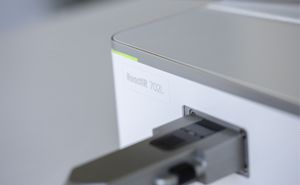
رد فعل IR
تمكن مطياف FTIR في الموقع العلماء من اكتساب نظرة ثاقبة لتفاعلاتهم وعملياتهم في مجموعة واسعة من التطبيقات. تحسين متغيرات التفاعل باستخدام أدوات FTIR المضمنة.

مسعرات التفاعل
تقيس مسعرات التفاعل كمية الطاقة المنبعثة أو الممتصة بواسطة تفاعل كيميائي أو فيزيائي في التطور الكيميائي والصيدلاني.