Kalibrering før og efter service: sporbarhed bagud og fremadskuende kvalitetskontrol
Vurdering af ydeevne før og efter service for pålidelige vejeresultater


Kalibrering før og efter service. Når du er afhængig af vægte, har du brug for pålidelig viden om deres ydeevne både før og efter serviceindgreb. Kalibreringsdata før og efter service tjener to forskellige formål:
- Data fra kalibreringen før service viser, hvor nøjagtigt instrumentet fungerede, før der blev foretaget nogen justering.
- Data fra kalibreringen efter service viser ydeevnen efter justering og angiver den nøjagtighed, du kan forvente fremadrettet.
Dokumentation af begge datasæt hjælper dig ikke kun med at afgøre, om vægten opfylder dine behov, men opfylder også kravene i de mest almindelige standarder, såsom ISO 9001:2015, ISO/IEC 17025, GMP og forskellige farmakopéer.
Vi tilbyder en globalt harmoniseret tilgang til kalibrering af vejeinstrumenter før og efter service, så alle dine kalibreringsbehov bliver opfyldt. Få alle dine resultater og svar samlet i ét dokument.
Hvad er kalibrering før service?
Kalibrering før service dokumenterer tilstanden af din vægt, før serviceteknikeren foretager nogen korrektioner. Kalibrering før service hjælper med at identificere eventuelle problemer, som kan være opstået siden den seneste kalibrering, så du proaktivt kan forebygge negative konsekvenser, identificere den grundlæggende årsag og forsøge at undgå fremtidige problemer.
Resultaterne fra kalibreringen før service viser:
- Drift eller slitage, som er opstået siden den seneste kalibrering
- Om instrumentet var inden for tolerancespecifikationerne før justering
Ved at analysere data fra kalibreringen før service bliver dine vejeprocesser mere gennemsigtige. Samtidig kan du følge langsigtede ydeevnetendenser og sikre, at kravene i branchestandarder overholdes over tid.
Dette kaldes også nogle gange “as received”.


= the past

= as-found calibration data

= date of calibration
Hvad er kalibrering efter service?
Kalibrering efter service kvantificerer ydeevnen efter korrigerende handlinger, herunder justering. En kalibrering efter service skal udføres, hvis der er foretaget handlinger på instrumentet efter kalibreringen før service, som har ændret dets ydeevne. Sådanne handlinger kan være:
Justering
Intern rengøring
At lægge instrumentet på siden
Ændring af instrumentets indstillinger
Håndtering med værktøj på instrumentet
Resultaterne fra kalibreringen efter service bekræfter den nøjagtighed, du kan forvente af instrumentet ved rutinemæssig drift efter alle serviceaktiviteter. De skal naturligvis også dokumentere, at instrumentet er egnet til sit tilsigtede formål.
Et kalibreringscertifikat efter service udgør dokumentation for instrumentets vejenøjagtighed efter serviceteknikerens besøg.
Dette kaldes også nogle gange “as returned”.


= date of calibration

= as-left calibration data

= the future
Fordele ved data fra kalibrering før og efter service
- Kvalitetssikring: Sammenlign resultaterne før og efter service for at kvantificere vejepræstationen over tid.
- Regulatorisk overholdelse: Obligatorisk for ISO/IEC 17025, GMP, FDA og mange farmakopeer.
- Beslutningsgrundlag: Afgør, om vægten fortsat er tilstrækkeligt nøjagtig til det tilsigtede formål.
- Revisionsklare dokumenter: Opnå tryghed samtidig med, at du opretholder fuld sporbarhed ved interne og eksterne revisioner.


= the past
= as-found calibration data
= date of calibration
= as-left calibration data
= the future
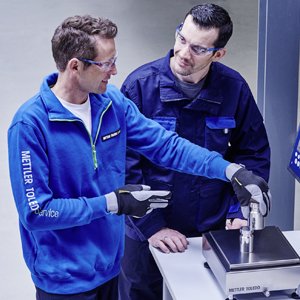
Vores kalibreringsproces – udført af en kvalificeret METTLER TOLEDO-servicetekniker

Kalibrering før service
Dokumenterer målinger før service med certificerede testlodder under kontrollerede forhold.

Vurdering af ydeevne:
Kontrollerer, om instrumentets ydeevne opfylder dine behov. Hvis det ikke er tilfældet, kan justering eller andre tiltag være nødvendige.

Justering (hvis nødvendigt):
Forbedrer instrumentets ydeevne baseret på kalibreringsresultaterne. METTLER TOLEDOs vægte må kun justeres af kvalificerede serviceteknikere fra METTLER TOLEDO ved hjælp af vores proprietære software.
Kalibrering efter service (hvis nødvendigt):
Hvis instrumentets ydeevne ændres efter kalibreringen før service, er en kalibrering efter service nødvendig. Handlinger, som kræver en kalibrering efter service, omfatter justeringer, brug af værktøj og ændringer af instrumentets indstillinger.
Vurdering af ydeevne:
Kontrollerer om instrumentets ydeevne opfylder dine behov.

Levering af certifikat:
Resultaterne fra kalibreringerne før og efter service leveres i én samlet rapport. Dette giver tryghed og gør dig klar til revision med dokumenteret bevis for tilfredsstillende ydeevne.
Fordele ved calibration af vægte

Konsistent kvalitet
Opnå ensartet produktkvalitet gennem reproducerbare resultater.

Reducerede omkostninger
Reducer materialespild og omkostningerne ved omarbejde.

Fuld overensstemmelse
Vær altid klar til revision med passende kvalitetsstyringsprocesser.
Ofte stillede spørgsmål (FAQ)
Hvorfor er en kalibrering efter service ikke tilstrækkelig?
Kalibrering både før og efter service er nødvendig for alle, der ønsker at opfylde standarder og lovkrav samt føle sig trygge ved revisioner.
Når du kun vurderer ydeevnen efter, at vedligeholdelse og justering allerede er udført (kalibrering efter service), mangler du tydelig sporbarhed og dokumentation for overensstemmelse for dine tidligere målinger (kalibrering før service). Dette kan give anledning til spørgsmål omkring kvaliteten. Derfor kræver stadig flere standarder og lovgivninger specifikt kalibrering både før og efter service, såsom ISO 9001:2015, ISO/IEC 17025, GMP og forskellige farmakopéer.
Hvad skal jeg gøre, hvis kalibreringen før service ikke godkendes?
Hvis der er et problem med kalibreringen før service, bør du revurdere alle vejeresultater siden den senest godkendte kalibrering og vurdere deres indvirkning. Organisationens kvalitetsstyringssystem kan give vejledning om de næste skridt, så du proaktivt kan forebygge negative konsekvenser, identificere den grundlæggende årsag og forsøge at undgå lignende problemer i fremtiden.
Afhængigt af problemets alvor og eventuelle risici bør passende korrigerende og forebyggende handlinger iværksættes for at sikre, at produkt- eller målekvaliteten ikke kompromitteres.
Hvis kalibreringen før service ikke godkendes, er vores serviceteams bedst rustet til at udføre de nødvendige korrektioner for at forbedre ydeevnen før kalibreringen efter service. Kun METTLER TOLEDOs serviceteknikere kan udføre den proprietære justering, som optimerer ydeevnen af METTLER TOLEDO-instrumenter.
Derudover har vi den ekspertise, der er nødvendig for at vejlede dig i at etablere en rutinemæssig testplan, som hjælper med at minimere risikoen for ydeevneproblemer mellem kalibreringerne og forhindre, at kalibreringen før service ikke godkendes i fremtiden.
Hvor ofte bør jeg udføre kalibrering før og efter service?
Typisk hver 6. til 12. måned, afhængigt af brug, kritikalitet og miljøforhold.
For at fastlægge det rette interval ud fra din situation og dine risici tilbyder GWP Verification en kvalitetssikringsplan for vægte, som indeholder:
- Kalibrerings- og serviceintervaller
- Plan for rutinemæssig testning, herunder intervaller, metoder, lodder og tolerancer
Sammen udgør disse dokumenter en konkret og revisionssikker kvalitetssikringsplan for den rutinemæssige anvendelse af dine vejeinstrumenter.
Hvad er forskellen mellem calibration og justering?
Kalibrering beskriver, hvordan et vejeinstrument fungerer ved at kvantificere måleusikkerheden under de aktuelle driftsforhold på stedet, mens justering ændrer instrumentets adfærd. Når en servicetekniker justerer et instrument, ændres dets visning, så den i størst muligt omfang svarer til de anvendte referencelodder.