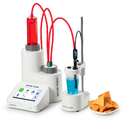
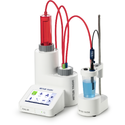
This page provides information to determine silver content in silver jewelry samples by potentiometric (argentometric) titration using an EasyPlus titrator.
By downloading this application package, you will receive a PDF of the application note.
Why is silver alloy used for jewelry making?
Silver is a very soft metal to be used directly in jewelry making, and hence is often combined with other metals like copper, nickel, zinc, cadmium, or palladium. Sterling silver which is a combination of 92.5% pure silver and 7.5% other metals is a preferred alloy for jewelry making to make the jewelry durable and resist wear and tear. Hence, silver alloy is used instead of just pure silver for jewelry making.
Why is the hallmarking of silver ornaments a necessity?
To make strong and durable silver ornaments, silver is combined with other metals like copper, nickel, zinc, cadmium, palladium etc. Any silver ornament that is less than 90% pure silver is considered low quality. Hence to ensure that manufacturers comply with legal standards of fineness and prevent adulteration, the hallmarking of silver ornaments is crucial.
How to determine silver content in silver jewelry?
The silver content in silver jewelry can be determined in a straightforward manner by potentiometric (argentometric) titration with a DMi141-SC combined silver ring electrode and an EasyPlus titrator using NaCl (KCl) as the titrant.