كيفية اختيار نظام كشف المعادن المناسب لخطوط الأنابيب. تطبيقات خطوط الأنابيب واسعة ومتنوعة. إن اختيار حل كشف المعادن المناسب سيضمن أقصى حماية للعلامة التجارية ويساعد على زيادة OEE لديك. يتضمن اختيار الحل المناسب أربع خطوات. الخطوة الأولى: تحديد حجم كاشف المعادن. يُحدَّد قطر الأنبوب بمعدل تدفق المنتج. ويحدد قطر أنبوب التدفق حجم الفتحة. يلزم وجود أنبوب تدفق غير معدني لنقل المنتج المضخوخ عبر فتحة كاشف المعادن. الخطوة 2. ضع في الاعتبار درجة حرارة المنتج والضغط وأي متطلبات خاصة لمناولة المنتج. ستحتاج المنتجات المسخنة، مثل المربى الساخن، إلى أنبوب تدفق يتحمل درجات حرارة عالية. وعادةً ما توفر METTLER TOLEDO أنبوب تدفق غير معدني عالي الحرارة وعالي الضغط. يجب معرفة ضغط النظام للتأكد من أن أنبوب التدفق يمكنه تحمل الضغط المتوقع. ستتطلب بعض المنتجات، مثل الشوكولاتة المنصهرة، أغطية مائية خاصة حول أنبوب التدفق للحفاظ على درجة حرارة المنتج أثناء عملية الفحص. الخطوة 3. تأكد من الوصلات المطلوبة. بعد ذلك، حدّد نوع الوصلة اللازمة لربط الأنابيب ونوع الاتصال. يمكن لـ METTLER TOLEDO توفير أي وصلة مطلوبة. لاحظ أن نوع الاتصال قد يؤثر في حجم الفتحة. الخطوة 4. اختر آلية الرفض المناسبة. ستعتمد آلية الرفض المناسبة على خصائص المنتج. تتوفر صمامات تحويل ثلاثية الاتجاهات، بما في ذلك الخيارات القابلة للتنظيف بالكرة، لمعظم تطبيقات السوائل أو الملاط اللين. ومع ذلك، إذا كانت هناك أي عناصر صلبة داخل تدفق المنتج، فقد تكون هناك حاجة إلى آلية رفض متخصصة. اعتبارات إضافية: التكامل، وسهولة الوصول، وتحسين OEE، وتعزيز الحساسية. تكامل أسهل مع خطوط الإنتاج. يمكن توفير هياكل دعم مخصصة لسهولة التكامل مع معدات الإنتاج الأخرى. يمكننا توفير خيارات مثبتة على الأرض ومعلّقة. سهولة الوصول إلى واجهة HMI لكاشف المعادن تتوفر ميزة المحاكاة المبتكرة من METTLER TOLEDO لتوفير الوصول والتحكم عن بُعد في كاشف المعادن من موقع مناسب، مما يزيد OEE ويعزز الحساسية يمكن لعملية الضخ أن تُنشئ فقاعات أو فراغات في تدفق المنتج، ما قد يؤدي إلى زيادة في الإنذارات الكاذبة وهدر المنتج، وإلى انخفاض في الحساسية. تتجاهل تقنية Profile Advantage تأثير هذه الفقاعات أو الفراغات، لذلك يمكنها اكتشاف الملوثات المعدنية الأصغر لتحقيق حماية أفضل للعلامة التجارية والقضاء عمليًا على عمليات الرفض الكاذبة لزيادة الإنتاجية.
Pipeline applications are wide and varied – choosing the right Pipeline metal detection system is critical to achieve maximum performance and brand protection. Pipeline metal detectors can inspect pumped liquids, pastes, slurries, high viscosity and vacuum-filled products for metal contamination. Having the correct throughput pipe, fittings and reject device will help you efficiently remove metal contaminated product from the production flow, and minimize waste of good product.
Our Pipeline metal detection system brochure highlights the different systems available for standard pumped product applications, specialized sausage systems and solutions for challenging applications. It also offers step-by-step guidance to help you determine the best Pipeline metal detection system for your application.
Key Considerations in Choosing the Right Pipeline Metal Detection System
Step 1: Determine the size of the metal detector
- A non-metallic throughput pipe is required to transport the pumped product through the Pipeline metal detection system aperture. The aperture size/diameter of the pipe will be determined by the product throughput rate.
Step 2: Consider the temperature of the product
- The temperature of the product inspected will determine the type of throughput pipe required. For example, heated products such as hot jam requires a throughput pipe that can handle extremely high temperatures. Molten chocolate requires special water jackets around the throughput pipe to maintain the product's temperature during the inspection process.
Step 3: Determine if there is any pressure in the system
- METTLER TOLEDO can supply a high temperature, high-pressure non-metallic throughput pipe for specific applications. The maximum system pressure must be known to ensure the throughput pipe can handle the expected pressure.
Step 4: Confirm what fittings are required
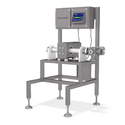
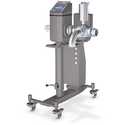
- Having the correct fixtures to connect the throughput pipe to the rest of your production line is essential. METTLER TOLEDO supplies a range of fittings, custom support frames and floor-mounted and suspended options for easy integration with other production equipment.
Step 5: Choose the right reject mechanism
- The right reject mechanism will depend on the product characteristics. Three-way diverter valves are available for most liquid or soft slurry applications, however if there are any solid elements within the product flow, a specialized reject mechanism may be required.
- METTLER TOLEDO offers a range of Pipeline metal detection systems to help ensure maximum performance of your product inspection program.
METTLER TOLEDO offers a range of Pipeline metal detection systems to help ensure maximum performance of your product inspection program.
Pipeline Inspection in Challenging Applications
In pumped product applications that are subject to bubbles or voids in the product flow, there is a risk of false rejects due to variation in the active product signal. However, by using Profile Advantage Pipeline metal detection systems, you can overcome this issue, and virtually eliminate false rejects. Profile Advantage technology uses a unique combination of multi-simultaneous frequency and product signal suppression technology to minimize the active product signal. This not only minimizes your risk of false rejects but also eliminates unnecessary product waste and the associated admin burden. Profile Advantage Pipeline systems can have a positive impact on productivity, product quality and your bottom line.