Waste Separation
How does automated waste separation with InMotion PX work?
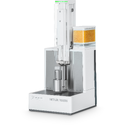
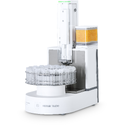
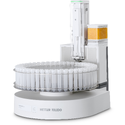
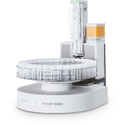
InMotion PX supports automated waste separation by integrating solvent handling directly into the measurement workflow for density and refractive index analyses. It automates sample uptake, draining, rinsing, and drying, which ensures that hazardous solvents are consistently removed and routed into the correct waste stream without manual intervention. This reduces the risk of cross‑contamination between solvents and other waste types, cuts down on operator exposure, and helps laboratories handle large‑volume solvent‑based analyses in a safer and more sustainable.
Why is automated waste separation of solvents important?
Automated waste separation of solvents is important because every density and refractometer analysis produces substantial chemical waste, creating major disposal and safety challenges in high‑throughput laboratories. Hazardous solvents must be carefully separated from other waste streams to ensure regulatory compliance and prevent dangerous reactions, but manual segregation is time‑consuming, error‑prone, and impractical at scale. Automated separation addresses these issues by efficiently handling hazardous chemical solvents alongside regular waste, optimizing disposal, reducing environmental impact and costs, and minimizing operator exposure, so laboratories can implement safer, more sustainable, and cost‑effective workflows with ease.