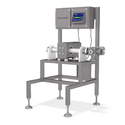
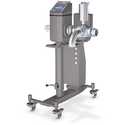
How to choose the right pipeline metal detection system. Pipeline applications are wide and varied. Choosing the right metal detection solution will ensure maximum brand protection and help to increase your OEE. Choosing the right solution involves four steps. Step one, determine the size of the metal detector. The pipe diameter is dictated by the product throughput rate. The throughput pipe diameter determines aperture size. A non-metallic throughput pipe is required to transport the pumped product through the metal detector aperture. Step 2. Consider the product temperature, pressure and any special product handling requirements. Heated products, such as hot jam, will require a throughput pipe that can handle high temperatures. Metal of Toledo typically supply a high temperature, high pressure non-metallic throughput tube. System pressure must be known to ensure the throughput pipe can handle the expected pressure. Certain products, such as molten chocolate, will require special water jackets around the throughput tube to maintain the product's temperature during the inspection process. Step 3. Confirm what fittings are required. Next, determine the type of fitting required to connect the pipes and the connection type. Mettler Toledo can supply any fitting required. Note that the connection type can impact the aperture size. Step 4. Choose the right reject mechanism. The right reject mechanism will depend on the product characteristics. Three-way diverter valves, including piggable options, are available for most liquid or soft slurry applications. However, if there are any solid elements within the product flow, a specialised reject mechanism may be required. Additional considerations: integration, access, improved OEE and enhanced sensitivity. Easier integration into production lines. Custom support frames can be supplied for easy integration with other production equipment. We can supply floor-mounted and suspended options. Easier access to metal detector HMI Metalotolito's innovative emulation feature is available to provide remote access and control of the metal detector from a convenient location increased OEE and enhanced sensitivity The pumping process can create bubbles or voids in the product flow, potentially leading to increase in false triggers and wasted product, and to a reduction in sensitivity. Profile Advantage technology ignores the effect of these bubbles or voids, so it can detect smaller metal contaminants for better brand protection and virtually eliminate false rejects to increase productivity.
Pipeline applications are wide and varied – choosing the right Pipeline metal detection system is critical to achieve maximum performance and brand protection. Pipeline metal detectors can inspect pumped liquids, pastes, slurries, high viscosity and vacuum-filled products for metal contamination. Having the correct throughput pipe, fittings and reject device will help you efficiently remove metal contaminated product from the production flow, and minimize waste of good product.
Our Pipeline metal detection system brochure highlights the different systems available for standard pumped product applications, specialized sausage systems and solutions for challenging applications. It also offers step-by-step guidance to help you determine the best Pipeline metal detection system for your application.
Key Considerations in Choosing the Right Pipeline Metal Detection System
Step 1: Determine the size of the metal detector
- A non-metallic throughput pipe is required to transport the pumped product through the Pipeline metal detection system aperture. The aperture size/diameter of the pipe will be determined by the product throughput rate.
Step 2: Consider the temperature of the product
- The temperature of the product inspected will determine the type of throughput pipe required. For example, heated products such as hot jam requires a throughput pipe that can handle extremely high temperatures. Molten chocolate requires special water jackets around the throughput pipe to maintain the product's temperature during the inspection process.
Step 3: Determine if there is any pressure in the system
- METTLER TOLEDO can supply a high temperature, high-pressure non-metallic throughput pipe for specific applications. The maximum system pressure must be known to ensure the throughput pipe can handle the expected pressure.
Step 4: Confirm what fittings are required
- Having the correct fixtures to connect the throughput pipe to the rest of your production line is essential. METTLER TOLEDO supplies a range of fittings, custom support frames and floor-mounted and suspended options for easy integration with other production equipment.
Step 5: Choose the right reject mechanism
- The right reject mechanism will depend on the product characteristics. Three-way diverter valves are available for most liquid or soft slurry applications, however if there are any solid elements within the product flow, a specialized reject mechanism may be required.
- METTLER TOLEDO offers a range of Pipeline metal detection systems to help ensure maximum performance of your product inspection program.
METTLER TOLEDO offers a range of Pipeline metal detection systems to help ensure maximum performance of your product inspection program.
Pipeline Inspection in Challenging Applications
In pumped product applications that are subject to bubbles or voids in the product flow, there is a risk of false rejects due to variation in the active product signal. However, by using Profile Advantage Pipeline metal detection systems, you can overcome this issue, and virtually eliminate false rejects. Profile Advantage technology uses a unique combination of multi-simultaneous frequency and product signal suppression technology to minimize the active product signal. This not only minimizes your risk of false rejects but also eliminates unnecessary product waste and the associated admin burden. Profile Advantage Pipeline systems can have a positive impact on productivity, product quality and your bottom line.