|
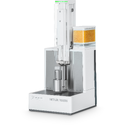
This page describes the method to determine the quality of winter gasoline by measuring its density with a digital density meter. By downloading the application note you will receive the PDF of the application note |
Is gasoline different in winter?
Winter gasoline and summer gasoline have distinct compositions and properties designed to enhance performance based on seasonal temperatures. Winter gasoline has a higher Reid Vapor Pressure (RVP) to boost engine efficiency in colder weather, incorporating more volatile hydrocarbons such as butane, while to reduce the evaporation during hotter months, summer gasoline is formulated with lower RVP. Thus, the primary distinction between the two lies in their volatility and formulation, which are specifically adjusted to meet the needs of each season.
How to measure the density of winter gasoline?
When measuring the density of winter gasoline, it's crucial to note that lower-cost additives such as butane are included, which can make the measurement more challenging because of their high vapor pressures and low boiling points. Therefore, extra caution is necessary during this measurement. The ASTM D4052 standard specifies that the density of winter gasoline must be assessed with a digital density meter at a temperature of 15°C, and it is required that the measurement achieves a repeatability of ≤ 0.0001 g/cm³ for precise results.