|
Our popular white paper, "How Safe is X-ray Inspection of Food" delivers some astonishing facts about this popular choice for product inspection in food manufacturing.
This paper is essential reading for any food manufacturers with reservations about implementing x-ray inspection into their production, especially those concerned about staff objecting to working with x-rays or consumers switching to competing brands.
The paper addresses some key questions and fears about using x-ray inspection in food manufacturing, including:·
- Why use x-rays to inspect food?
- Do x-rays affect the safety, flavor, texture, or nutritional value of food?
- What is the difference between food inspection and food irradiation?
- What is the difference between x-ray radiation and radioactivity?
- How safe are the x-ray systems used in the food industry?
Download the white paper to learn more!
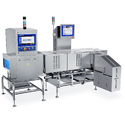
Did you know X-ray inspection is used in food production to help improve product safety? X-ray systems identify physical contaminants such as metal, glass, stones and bone in packaged and unpackaged food products. X-ray inspection can be used to perform other quality control checks too, such as fill level. completeness checks, and more. How does it work? An x-ray beam passes through the product, creating an x-ray image of what's inside. Contaminated or defective products are automatically detected and rejected from the production line. X-ray systems should be installed at critical control points on the production line, where contamination is likely to occur. From incoming goods and in-processing right through to the end of line and final packaging stages, x-ray inspection helps prevent contaminated products from reaching supermarket shelves, protecting you from fines, recalls and brand damage, and protects consumers from contaminated food. For more information on x-ray inspection, please visit our website.
X-ray Inspection for Food Manufacturers
X-ray inspection technology has become widely used in the food and beverage manufacturing industries around the world over the past few decades. It is used as a means of detecting foreign material contamination, such as metal, glass shards, mineral stone and calcified bone. X-ray systems are also used to perform additional integrity inspections, such as to control portion size or fill levels, check seal integrity and detect packaging defects. Such inspection plays a vital role in maintaining compliance with a range of food safety legislations.