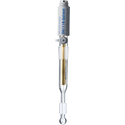
This page provides a straightforward method for potentiometric titration, which is used to determine the acid value of carnauba wax with a DGi116-Solvent electrode on METTLER TOLEDO's Titration Excellence.
By downloading this application package, you will receive a PDF of the application note as well as the required data for the LabX™ titration software method.
What is acid value?
The acid value is the number of milligrams of base (usually potassium hydroxide (KOH)) required to neutralize acidic components in 1 gram of the sample. It identifies the amount of free fatty acids within the sample.
Why determine acid value in carnauba wax?
Acidic components within the carnauba wax have many advantages that include enhanced hardness, stability, emollience, and moisturizing properties, along with stability and resistance to oxidation and antimicrobial properties, provided the acidic components are within the limits. Higher levels of acidic components impact the quality of wax causing rancidity leading to spoilage, hydrolysis, unpleasant odor and color, and skin irritation. Thus, it is crucial to determine acid value in carnauba wax to monitor its stability and quality.
How to determine acid value in carnauba wax?
Acid value in carnauba wax can be determined by potentiometric titration using alcoholic potassium hydroxide (KOH) as a titrant, DGi116-Solvent electrode to monitor the titration and can be performed on METTLER TOLEDO's excellence and compact titrators.