|
Cartons are used by many manufacturers as a cost-effective packaging option for their product. They can be used as primary packaging, e.g., a box of pasta, or as a secondary piece of packaging, e.g., cereal sealed in a plastic bag and placed inside a box.
Like any other packaged product, filled cartons need to be checked for the proper weight prior to distribution. Cartons should also be inspected for label quality and accuracy to avoid labeling errors that can result in product recalls or costly rework. Learn more about the trends and challenges in carton packaging applications in this application note, which will discuss:
- Primary concerns in carton applications
- The carton packaging process
- Challenges at different stations along the packaging process
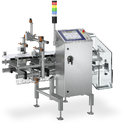
- The METTLER TOLEDO proposed checkweigher and vision inspection combination system solution
Choosing a product inspection equipment provider is an important decision, and choosing a provider who can help you achieve your goals for quality assurance in carton applications is best.
Download our free application note to find out more!
This application note also provides valuable information about our comprehensive service offerings for product inspection equipment in the food industry. Learn how you can minimize unplanned downtime and increase productivity with expert service solutions and a global service network.
Cartons are used as packaging in many industries. An incorrect product weight or poor labelling in carton packaged products can lead to spiralling costs. Here we'll show you three steps to help combat these costs. Let's take a look at pasta as an example product. Pasta is often packaged in cartons and is subject to stringent weights and measures regulations. There are several reasons for incorrect product weight. The filling machine or box cartoner could malfunction, operator error or stuck product could also cause problems. Moreover, there are two types of bad labelling, a data issue, meaning the wrong information is printed on the label, or a quality issue, where the label itself is damaged or positioned incorrectly. Poor labelling is usually a result of either operator error or machinery malfunction. These types of production mistakes are very expensive for the manufacturer. Associated costs include operational costs, packaging and product waste costs and product recalls. Manual product checks are costly and time consuming. The more production lines, the higher costs for these checks. Notably, the later mistakes are identified in the production process, the more expensive they are to fix. In addition, if poor quality products enter the supply chain, not only could it lead to a costly product recall, but also lead to lasting brand damage. To avoid these risks, here are our three steps to combat rising costs in carton applications. Step 1. Use 100% automated product inspection technologies. Make the change from manual spot checks to 100% automated weight and label inspection systems. Step two. Install automated inspection systems at the earliest possible insertion point in the production line. The earlier quality issues are identified, the better. Step three. Combine automated check weighing and label inspection in one system. Installing one integrated solution saves servicing and repair costs. So, the Chetwyng and Label Inspection Combination System from Mettler Toledo is ideally suited to combat rising costs in carton applications. It is simple to use and offers advanced software options like feedback control. This combination system also saves space on the factory floor thanks to its small footprint. For more information, head to Quality Control and Carton Applications on mt.com.