Fluoride Ion Impurities in Lithium Salts
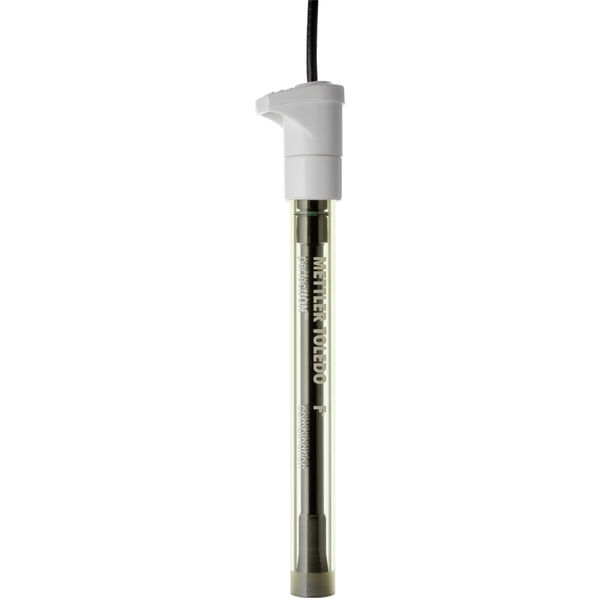
Accurate Fluoride Detection Using the perfectION Fluoride Combination ISE
High-performance lithium-ion batteries depend on the purity of their raw materials. Among the impurities that can impact battery quality, Fluoride Ion Impurities in Lithium Salts are of particular concern. Even at low concentrations, fluoride ions can interfere with electrolyte chemistry and interact with electrode materials, potentially affecting battery performance, cycle life, and safety. As demand for electric vehicles, consumer electronics, and energy storage systems continues to grow, ensuring electrolyte quality has become a critical part of battery manufacturing and quality assurance.

Why Monitor Fluoride Ion Impurities in Lithium Salts?
Lithium salts are a key component of battery electrolytes and play an important role in ion transport within lithium-ion batteries. To achieve reliable battery performance, manufacturers must carefully control impurities throughout the production process. Fluoride contamination can originate from raw materials, processing steps, or storage conditions and may contribute to unwanted side reactions within the battery.
Accurate fluoride determination helps manufacturers verify product quality, maintain process consistency, and meet stringent specifications. Routine monitoring can also help identify deviations early, reducing the risk of costly production issues and supporting the manufacture of safer, higher-performing batteries.
How Can Reliable Fluoride Analysis Support Battery Quality?
Measuring fluoride ions in lithium salts requires a reliable analytical approach capable of delivering accurate and reproducible results. The perfectION™ Fluoride Combination Ion Selective Electrode (ISE) from METTLER TOLEDO provides a practical solution for fluoride determination in laboratory and quality control environments. By enabling precise monitoring of fluoride impurities, manufacturers can help maintain electrolyte quality, support battery performance and safety, and ensure greater consistency throughout lithium-ion battery production.
Products

Guides

